
Restrictive
Technology
Innovation
Some medical device manufacturers seek to align with hospitals and design devices that improve clinical results in an economical fashion.
But several medical device manufacturers design and market new technologies specifically with the intent of increasing revenue from hospitals.
SCROLL

Hospital
Device Manufacturer
Demand for electrophysiology procedures is growing explosively. In response, device manufacturers have invested more in technology innovation. New devices are launched at a premium price.
High cost of procedures drives more innovation in technology






Profits and stock value increase
Technology innovation
Cost of Care
Operating margin decreases
Hospital
Device Manufacturer
American healthcare is profitable if you are a device maker; troubled – to say the least – if you are a patient or a hospital administrator
1/3
119%
Drop in average operating income of the 291 largest IDNs since 2014
Increase in stock value of the 5 largest cardiology device manufacturers since 2014
Restrictive
Technology
Innovation
Restrictive technology innovation means designing and launching technologies that represent incremental technical improvements
But increases device costs and reduces physician choice and supply chain autonomy
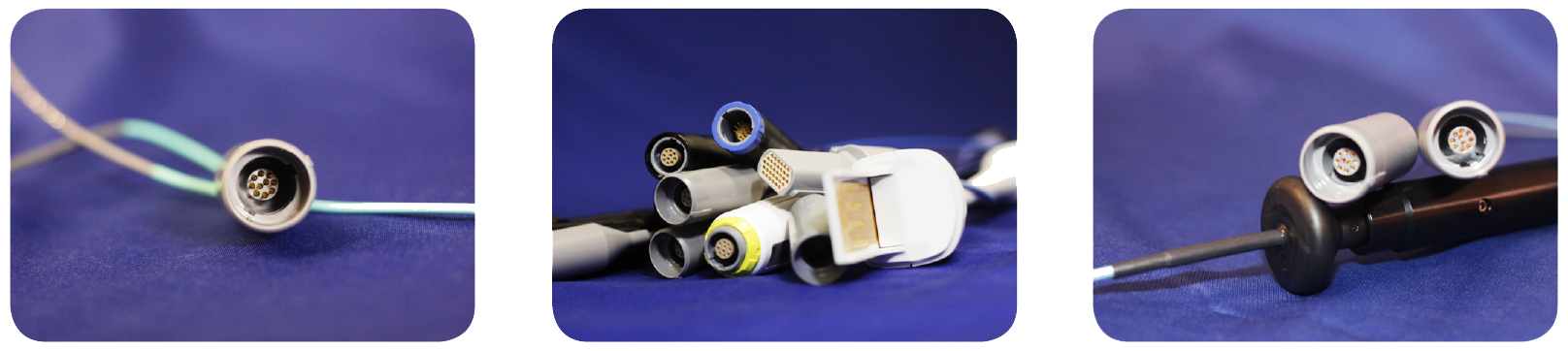
Restrictive Technology Innovation takes many forms…
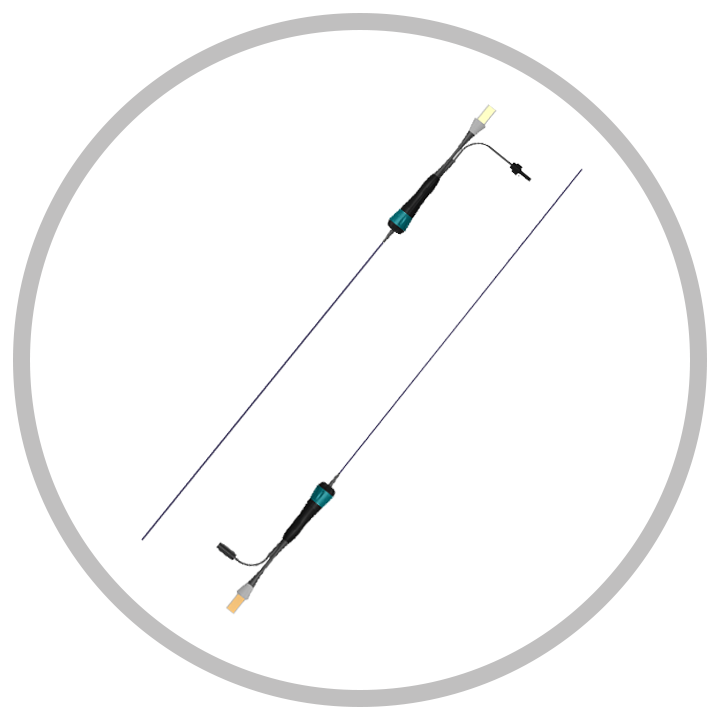
Devices are designed to not be reprocessable – either through technology design or through actual “locks”





Software updates that enables the computer to see that a device is reprocessed and stop its functionality.
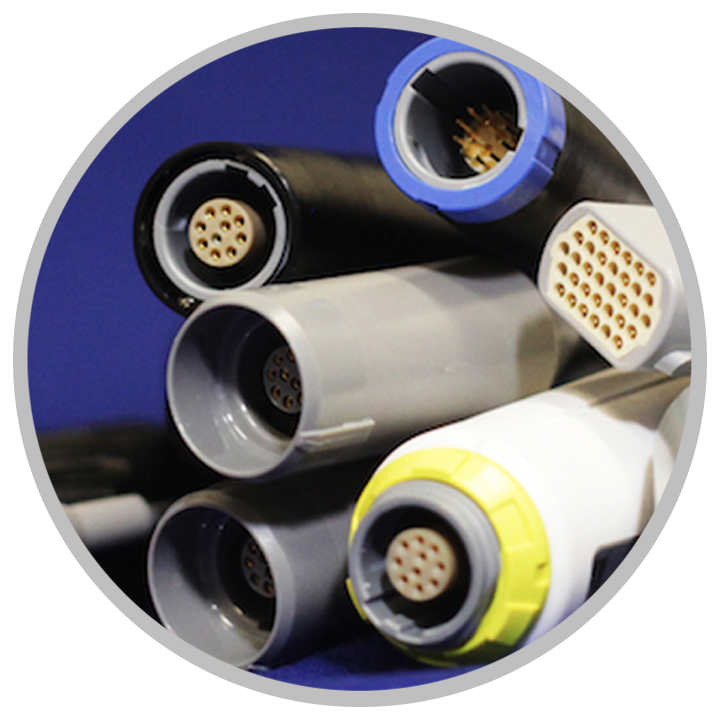
Cables that connect hand piece and computer system are designed to only work with one type of device. Sales reps install new cables – for free – so hospitals have to use the newest technology.
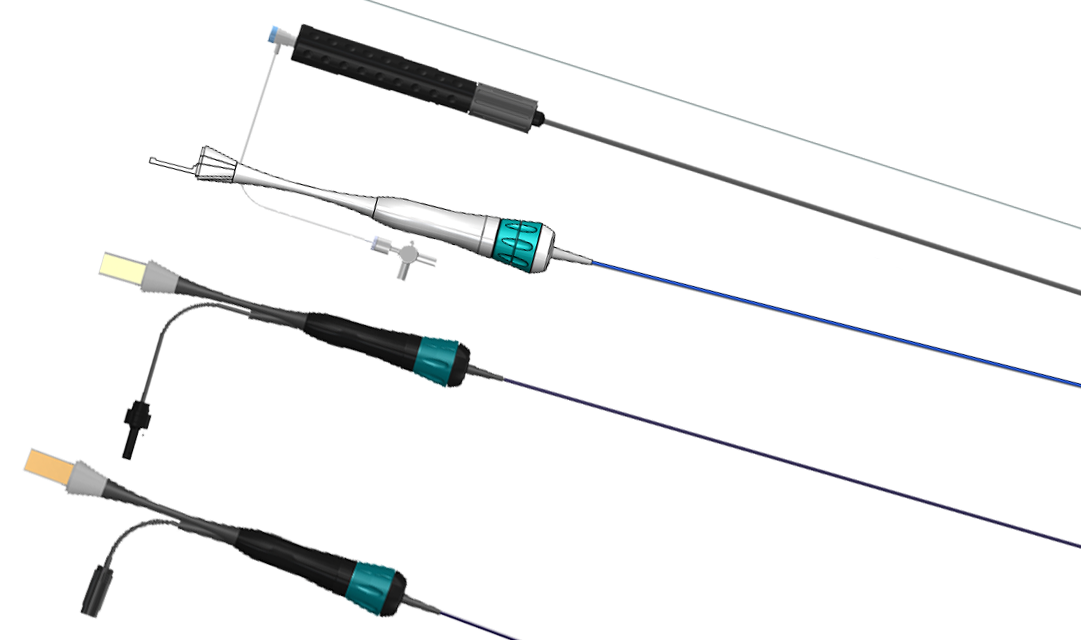
As an example, Biosense Webster has launched the SoundStar eco to replace 2D ultrasound catheters, specifically ViewFlex from St. Jude and BSW’s own AcuNav
VS
AcuNav
SoundStar eco


Configuration: OPEN
Configuration: INTEGRATED
Economics: REPROCESSABLE
Economics: NON REPROCESSABLE
Technology: MEETS NEEDS
Technology: LITTLE OR NO EVIDENCE OF CLINICAL BENEFITS


Many facilities have declined to make the change because SoundStar eco cannot be reprocessed
MATH
THE
A hospital that uses 250 AcuNavs per year and changes to SoundStar eco
$240,000
Lost savings from reprocessing devices - SoundStar eco cannot be reprocessed

Using the SoundStar eco with Biosense Webster’s CARTO system that only allows use of SoundStar eco reduces choice for the physician and supply chain autonomy
Clinical benefits?

THE BLUFF
CALLING
2D mapping meets the ultrasound needs of EP procedures – and the shift in technology is too expensive and limits choice
Roughly 50% of the market has not converted
Unsuccessful in pushing out a legacy device – ViewFlex: More than a third of all EP procedures involving ultrasound do NOT utilize BSW’s system, so SoundStars cannot be used
Unsuccessful in obsoleting their own device (AcuNav) which meets clinical needs
Leading clinicians at top academic centers use ViewFlex or AcuNav exclusively

SoundStar
AcuNav
ViewFlex
Restrictive
Technology
Innovation
Is harmful to hospitals and harmful to healthcare.
However, not all electrophysiology device manufacturers take this approach, and hospitals would benefit from aligning more closely with suppliers who demonstrate a focus on overall hospital value.